01 · Plastic dependence
60–70%
of textiles are made from plastic, mostly polyester.
Fossil-derived material is often the default before the ritual or the body is considered.

The Lab
Everything begins with a friction inside the ritual. What follows is research, material study, prototyping and the patient work of finding the right expertise.
The gap
01 · Plastic dependence
60–70%
of textiles are made from plastic, mostly polyester.
Fossil-derived material is often the default before the ritual or the body is considered.
02 · Microfibre pollution
200–500k
tonnes of textile microplastics enter the marine environment each year.
Material impact continues through washing, wear and disposal.
03 · The trust gap
53%
of green claims give vague, misleading or unfounded information.
“Natural” and “sustainable” are not substitutes for evidence.
04 · Design lock-in
Up to 80%
of a product's environmental impact is determined at the design phase.
Durability, repair and end-of-life must be designed in from the beginning.
References
How we work
Every product begins with a real problem within the ritual. We study how people move, recover and interact with their environment, alongside the materials they bring into their rituals. We question every fibre, finish and component, how it performs, what it contains, and whether it truly belongs in environments of heat, sweat and recovery. From unnecessary plastics and chemical treatments to poor thermal performance and overlooked details, every friction becomes an opportunity to design something better.
We believe the future of wellness won't be built from more synthetic materials. It will come from bringing together the world's finest natural materials, heritage craftsmanship and the innovators redefining what's possible through material science. We prototype extensively, studying thermal performance, durability, ergonomics and how materials evolve through repeated use. Every iteration is tested until it quietly disappears into the ritual.
No single workshop can master every material. That's why we seek out the people who know each one best: heritage felt makers, cork craftspeople, precision engineers and natural material innovators. We look for the highest standard in every field, and nothing less.
We make fewer objects, built better. Natural materials selected for performance, human health, planet health, and a long, graceful life. Products intended to develop character through use rather than become obsolete. Because the most sustainable object is often the one you never need to replace.
Field notes
Why bathers in Finland and the Baltics have worn felt for generations, whether sauna hats actually work, and what the material has to do to earn a place in the hot room.
Read the explainerBuying one in the UK? What real felt is, how to read a marketplace listing, and what a fair price looks like.
The UK buyer's guideIn the Lab
In progress
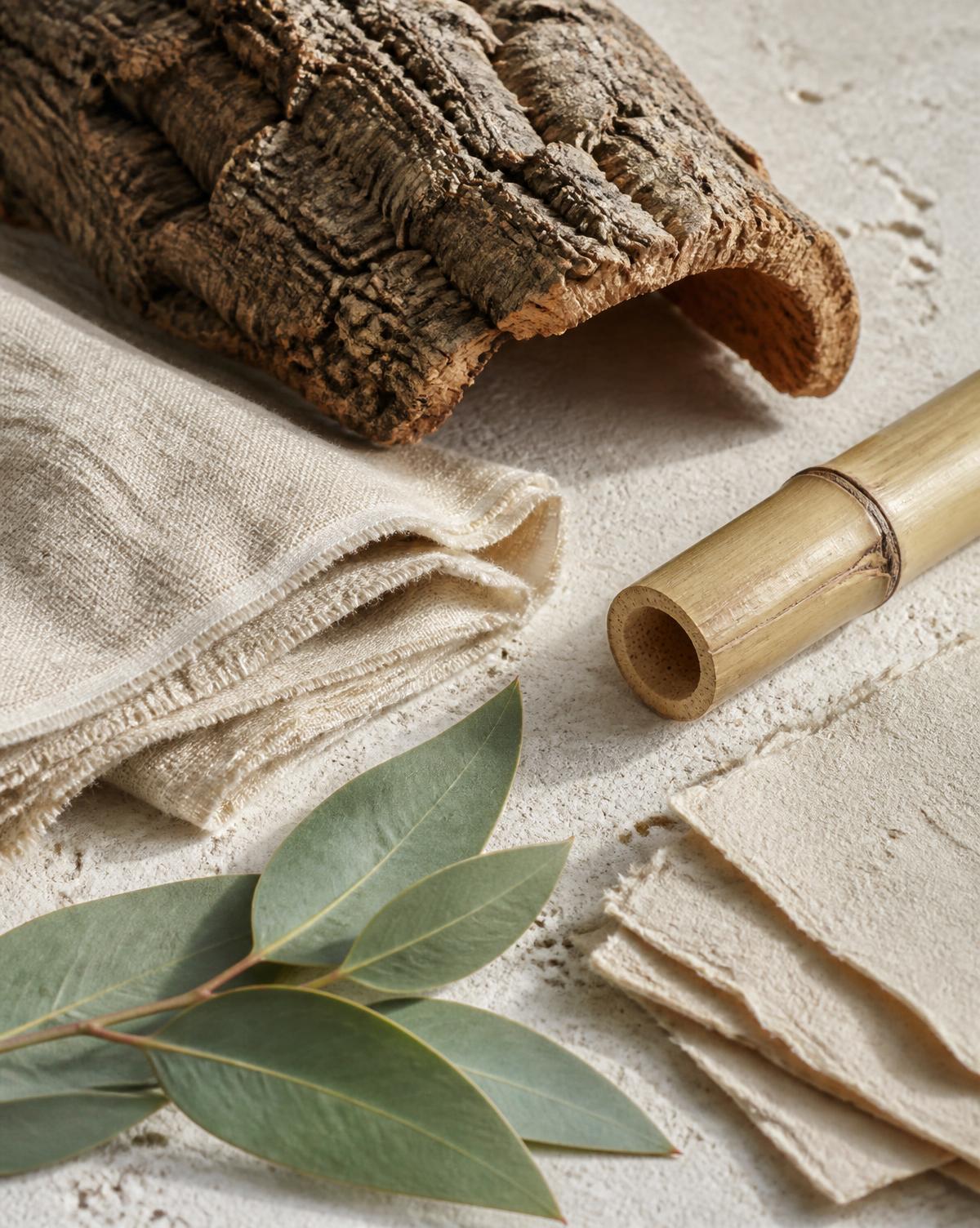
Our study begins with plant-based and bio-based materials: cork in its natural form, undyed linen and hemp, bamboo, wood pulp fibres and the bio-based composites replacing plastics in heat and water.
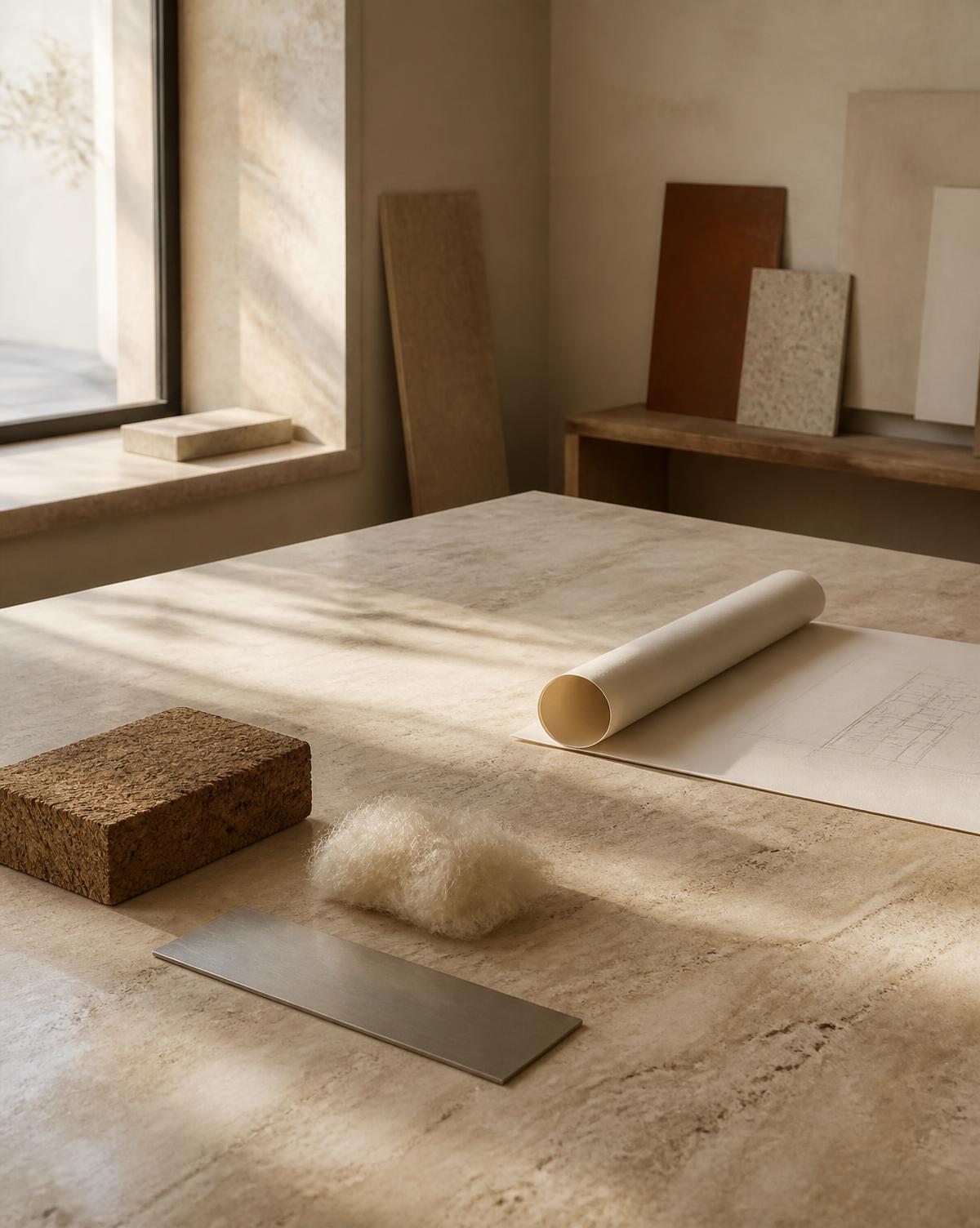
Right now our work is quieter than a product launch. We are assembling the people: material scientists, engineers, craftspeople and ritual specialists who care as much about the outcome as we do.
New objects will follow from that work — each beginning with a friction inside the ritual, not a category to fill. We will share them when the material, the engineering and the craft all hold up.
Strategic partners
Choosing the few relationships that will define how TEJ makes things for the next decade.
Material innovation
Studying natural and next-generation materials for thermal performance, clean chemistry and traceability.
Development
Early prototypes, tested in real rituals — heat, water, movement and rest — and refined until they earn release.
Follow the journey
Material studies, prototypes, and the making of the first release — sent occasionally, as the work develops.