
Cold water immersion in the UK
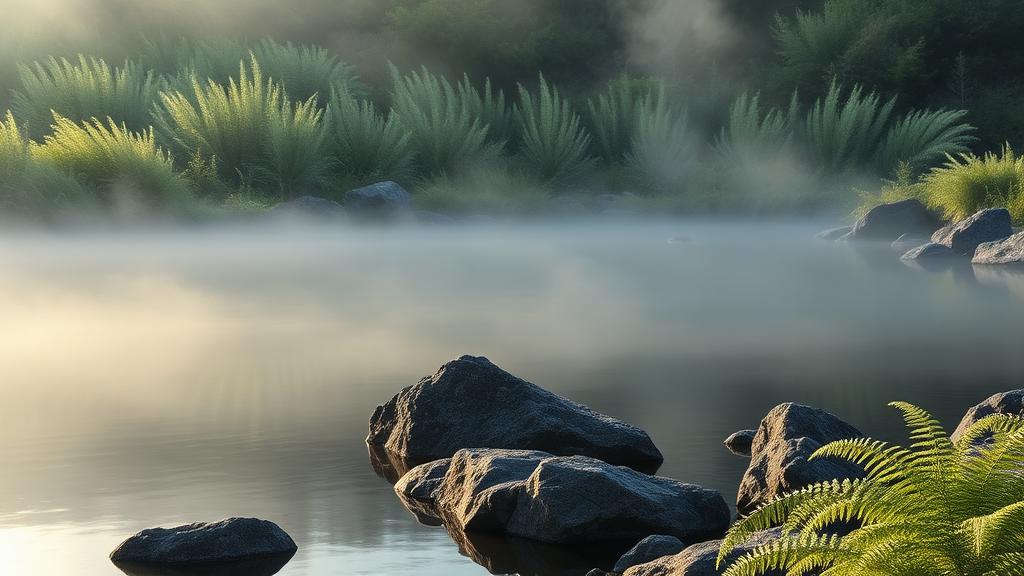
Cold water immersion completes the heat cycle. In the UK we are surrounded by places to do it — lidos, rivers, lakes and the sea — but the cold demands respect and a few simple rules.
What cold water does
Cold water triggers a sharp, controlled stress response. The heart rate slows, breath tightens, blood moves inward to protect the core. With practice the body learns to meet that response without panic. The return to warmth afterwards is where the calm sets in.
Paired with heat, the contrast becomes a full ritual: open, close, recover. Each phase makes the next more meaningful.
Where to start in the UK
Start somewhere safe and familiar. A local lido in winter, a shallow river beach, or a supervised sauna-and-plunge setup removes variables. Avoid fast-flowing water, tides you do not understand, and isolated spots until you know your own response.
The Outdoor Swimming Society, local wild swimming groups, and many UK lidos publish safety guidance and community meet-ups. Going with others is always wiser than going alone.
Safety first
- Never jump in Enter slowly so the cold shock response happens under control.
- Keep it short One to three minutes is plenty for most people. Time is not the goal.
- Warm from the inside out Dress immediately after, drink something warm, and move gently.
- Know the signs Numb hands, confusion or violent shivering mean it is time to stop.
Pairing with heat
Heat before cold opens the body and deepens the contrast. Heat after cold should be gentle — a sauna, warm room or blanket — rather than another plunge. The rhythm is warm, cold, warm, rest. Rest is the part people skip.
Build the practice
Cold water is not a competition. Begin in autumn when the water is cool but not freezing, and let your tolerance build with the season. A diary entry after each dip — temperature, duration, how you felt — helps you recognise your own pattern.
Common questions
- Is cold water immersion safe in the UK?
- It can be, with preparation. Choose safe water, go with others, enter slowly, keep sessions short, and warm up properly afterwards. People with heart conditions, cold urticaria or pregnancy should seek medical advice first.
- What temperature counts as cold water?
- Anything below 15°C begins to feel cold to most people. Below 10°C is serious and demands experience and caution.
- Can I combine cold water with sauna?
- Yes. Heat opens the body, cold completes the contrast, and rest lets the system settle. It is one of the oldest bathing traditions for a reason.
The ritual of heat and cold is what TEJ is building for. The Heritage Sauna Hat is our first object.